Grown-Ups, Big Spenders: Inside America's Adult LEGO Obsession
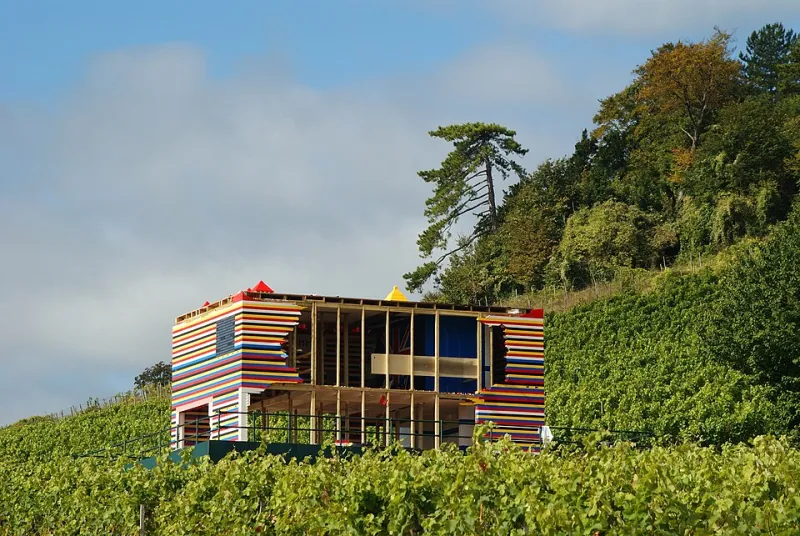
Photo: Peter Trimming, CC BY-SA 2.0, via Wikimedia Commons
Somewhere in a suburb outside Columbus, Ohio, a 38-year-old project manager just spent his Saturday afternoon sorting 7,000 bricks. Two states over, a nurse in her twenties is financing a display wall for a set she preordered four months ago. And in a convention center in Portland, thousands of adults are comparing MOCs, haggling over rare minifigures, and speaking a language full of terms like "SNOT" and "studs-not-on-top."
Welcome to the AFOL movement — Adult Fans of LEGO — and it's bigger, richer, and more interesting than most people realize.
The Numbers Don't Lie
LEGO doesn't break out adult sales figures publicly, but the company has acknowledged that adults are its fastest-growing demographic. Walk into any Target or Barnes & Noble and you'll see why: the Icons line, the Botanical Collection, and licensed giants like the Star Wars and Lord of the Rings sets are shelved, marketed, and priced squarely for grown-ups. We're talking $200, $400, even $850 sets — the kind of purchase that requires a conversation with your spouse.
The aftermarket tells the same story. Retired sets routinely resell for two to five times retail on eBay and StockX, and rare minifigures trade like sports cards. A sealed first-edition UCS Millennium Falcon has changed hands for five figures. For a generation raised on sneaker drops and collectible investing, bricks are just the next frontier.
Why Adults Are Reaching for Bricks
Ask builders why they came back, and the answers cluster around a few themes.
The off-ramp from screens. "I doomscroll less when I'm building," one Michigan-based fan told us. "It's the only hobby I have where my hands are busy and my brain is quiet." There's real psychology behind that — tactile, focused activities are widely associated with reduced anxiety, and building a 3,000-piece set leaves no bandwidth for your inbox.
Nostalgia with a budget. Millennials who begged their parents for a $30 set in 1998 now have credit cards and a hankering for the pirate ship they never got. LEGO knows this. The company has leaned hard into reissues and adult-targeted versions of childhood classics, and the strategy is printing money.
Community, not isolation. Here's the part outsiders miss: this is a deeply social hobby. Local LEGO User Groups (LUGs) meet monthly across the country. Brick conventions like BrickCon in Seattle and BrickFair on the East Coast draw tens of thousands. Builders trade techniques on Discord, post tutorials on YouTube, and collaborate on massive display pieces. "I moved to a new city knowing nobody," one Texas builder told us. "My LUG gave me forty friends in a month."
The Aftermarket Economy Is Real
Spend ten minutes on BrickLink — the eBay of loose bricks, owned by LEGO itself — and you'll find a functioning economy: part sellers, price guides, condition grading, the works. Some fans treat their collections like a portfolio, buying multiples of retiring sets and flipping them years later. Others are pure hobbyists who haven't opened a box in a decade and never intend to.
Both camps have their critics. "Collectors who never build are missing the point," one purist told us. The flippers shrug. Capitalism, meet bricks.
Genius Play or Cash Grab? Our Take
Now for the honest part. Is LEGO's adult strategy a masterstroke of product design or a cynical squeeze on people's childhood feelings?
The case for genius: these are genuinely excellent products. Adult-targeted sets feature sophisticated building techniques, display-worthy designs, and a level of detail the playsets of the '90s couldn't touch. LEGO also plays fair with its fan community, licensing MOC designers through the Ideas platform and even paying royalties to fan creators whose designs become official sets.
The case for cash grab: the pricing is aggressive, the FOMO machine is relentless — limited runs, artificial scarcity, "retiring soon" warnings — and the company has effectively converted nostalgia into a subscription model. When a $450 set sells out in minutes, you have to wonder how much of the scarcity is engineered.
Our verdict: it's both, and that's fine. LEGO is a for-profit company making premium products for adults with disposable income, and the fans, by and large, know exactly what they're buying. Nobody's confused about what a $250 botanical orchid costs. If the building brings you joy and the budget survives, brick on.
Your Invitation to the Table
If you've been eyeing that big set and telling yourself you're too old for toys, consider this your permission slip. Start small. Find your local LUG. Post your first build online and brace for a comment section that's surprisingly, aggressively wholesome.
The bricks don't care how old you are. They never did.
Build it. Share it. Brick it.