Bargain Bins and Hidden Gold: The Thrill of Hunting Retired Brick Sets Across America
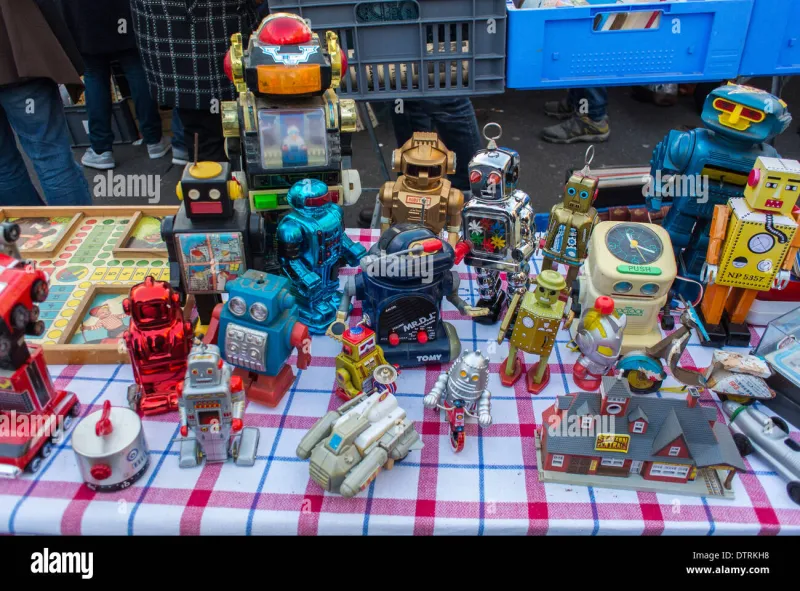
Photo: vintage toy bricks secondhand flea market table, via c8.alamy.com
Every Saturday morning, somewhere in America, a collector pulls into a driveway at 6:47 a.m., thirteen minutes before the official start time, coffee in the cupholder and a phone full of Facebook Marketplace tabs. They're not there for the vintage Pyrex or the exercise bike that's never been ridden. They're hunting retired brick sets — discontinued LEGO kits that can fetch ten, twenty, sometimes fifty times their thrift-store price on the secondary market.
And here's the thing: the good stuff is still out there. Regular people are still finding it.
The $12 Box That Sold for $900
Take Marcus Delgado, a reseller in Columbus, Ohio, who spends most weekends working estate sales across the Midwest. Last spring, he spotted a beat-up cardboard box under a folding table at a church rummage sale in Dayton. Inside: a complete run of 1990s pirate-themed sets, mixed with loose hull pieces and three minifigures.
"The lady running the table wanted twelve bucks for the whole box," Delgado says. "I paid her, walked to my truck, and tried not to sprint."
After a gentle cleaning, a parts inventory, and a week of listings, that box sold piecemeal for just over $900. The pirates alone accounted for more than half of it. "Sets from the '90s are the sweet spot right now," he explains. "The people who owned them as kids are in their thirties and forties with disposable income and nostalgia to burn."
That's the engine driving the whole hunt: a generation of adults buying back their childhoods, one yellowed instruction booklet at a time.
Where the Treasures Actually Hide
Not all hunting grounds are created equal. Based on conversations with pickers across the country, here's the rough hierarchy:
Estate sales are the crown jewel. When a lifelong collector's collection gets liquidated by family members who don't know (or care) what a retired modular building is worth, entire years of sets can end up on a card table marked "toys — make offer."
Garage and yard sales are the volume play. Most weekends produce nothing. But the hit rate on genuinely rare finds is higher than people expect, especially in neighborhoods with grown kids who've moved out and parents doing the great purge.
Thrift stores like Goodwill and Salvation Army are the long game. Dedicated hunters check weekly, sometimes daily. Bulk-bag sections — where loose bricks get sold by the pound — occasionally hide a rare minifigure or a distinctive printed piece worth more than everything else in the bag combined.
Estate auctions and online local marketplaces round out the circuit. Auction lots are riskier but often under-photographed, which works in favor of anyone who knows what to look for.
Spotting the Real Deal
Authenticity matters, especially as prices climb. Veterans of the hunt share a few field tests:
- The stud logo. Genuine bricks have the company name embossed on every stud. Counterfeits often miss it or get the font wrong.
- The click. Real bricks snap together with a satisfying, precise fit. Knockoffs feel loose or gritty. If you're at a sale, ask to test-fit two pieces.
- Minifigure heads. The printing on authentic figures is crisp and centered. Fakes look smudged or slightly off-register — a dead giveaway on licensed characters especially.
- Color codes. Serious collectors learn the palette. A "blue" that's slightly too purple can mean a different era, a different theme, or a different manufacturer entirely.
And condition matters less than you'd think. Yellowed bricks can be restored with peroxide and UV light. Missing instructions are usually free online. Even grimy pieces clean up surprisingly well with warm water and a soft brush — never the dishwasher, no matter what the internet says.
Negotiating Without Being That Guy
There's an etiquette to this, and the community is quick to police bad behavior. The unwritten rules, roughly:
Don't lowball a widow at an estate sale on her first weekend out. Don't swoop in at 6 a.m. and buy everything before other collectors get a look — the community is small, and word travels. Do be friendly, do ask questions, and do remember that the person across the table often has no idea what they're holding.
"I always tell people what they had, after the sale," Delgado says. "I've gone back and dropped off a little extra cash when something turned out to be worth way more than I paid. It's not just karma — it's how you get the call next time someone's clearing out a garage."
That's the real secret of the hunt. The best pickers aren't just lucky; they're known. Estate sale companies remember them. Neighbors mention them. In a hobby built on community, being the person people want to sell to is worth more than any single score.
Your First Hunt
If you're tempted to try it, start simple. Download a couple of price-checking apps or browse completed listings on the secondary market to build a mental baseline. Learn the packaging styles of the '80s and '90s. Pick a region — estate-sale-heavy suburbs are goldmines — and commit to a few weekends.
You will strike out. Everyone strikes out, most weekends, for months. But somewhere out there is a box of retired sets sitting under a card table with a handwritten sign reading "$5 all," and nobody else knows what's inside.
That's the whole appeal, really. The hunt never really ends — it just resets every Saturday morning.