Cash for Clicks: Meet the Americans Making Real Money Off Custom Brick Commissions
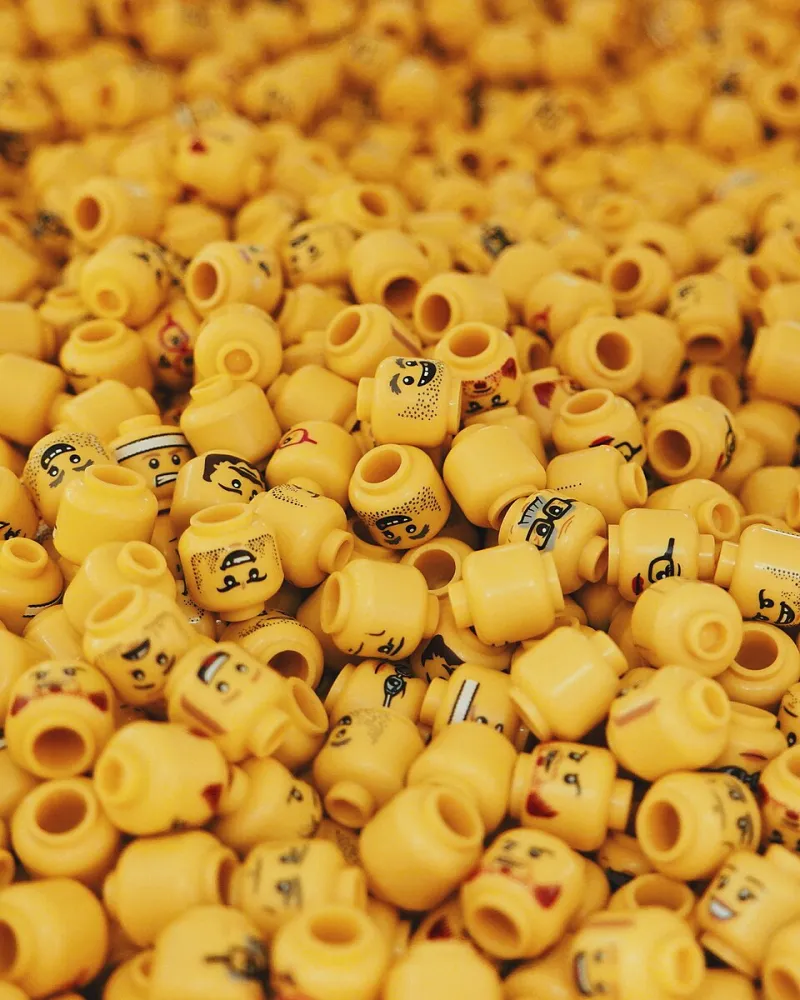
Photo: Carson Arias carsonarias, CC0, via Wikimedia Commons
There's a moment that happens at almost every wedding featured on Etsy's brick-commission listings: the couple cuts the cake, and sitting on top of it are two tiny minifigure versions of themselves, complete with a brick-built dog and a tiny cake of their own. Somebody made that. Somebody got paid to make that. And increasingly, that somebody is an American hobbyist who started out sorting parts at the kitchen table.
Custom brick commissions have quietly become one of the hobby's most interesting economies. And unlike a lot of side hustles, the barrier to entry is basically zero — you probably already own the inventory.
From Favor to Invoice
Most sellers we spoke to followed the same arc: friends saw a build, friends asked for one, friends insisted on paying. "I built a minifig version of my sister's family for Christmas," says Dana R., a builder in Ohio who now fills two to three commissions a month. "Her coworker saw it and asked what I'd charge. I panicked and said forty dollars. That was way too low."
That panic-pricing problem is universal. New sellers consistently undervalue their time because the parts cost so little. But parts aren't the product — labor is. A detailed brick portrait of a pet can take six to ten hours between design, sourcing, and assembly. Experienced sellers now quote by the hour, typically landing in the $25–$50 range on top of materials, plus shipping and a buffer for the inevitable redesign when the client says "actually, can the cat be sitting?"
The Copyright Gray Zone Nobody Likes to Talk About
Here's the part of the business that keeps sellers up at night: the bricks themselves. The custom market exists in a legal gray area, and everyone knows it.
The general understanding in the community is that using purchased bricks in new creations is fine, but you can't market your work using trademarked branding, reproduce the packaging look and feel, or sell anything that implies official affiliation. That's why you'll see listings carefully titled "custom building block portrait" rather than naming the brand directly — a dance that looks paranoid until you consider the alternative.
The bigger risk is intellectual property on the buyer's side. Someone orders a build of their favorite video game character, and suddenly the seller has profited off someone else's IP. Savvy sellers handle this with disclaimers, refusing to replicate protected characters exactly, and steering clients toward "inspired by" designs. "I'll do your dog, your house, your wedding party," says one Texas-based seller. "I will not do Baby Yoda. We've all seen what happens."
What It Actually Takes
Strip away the charm and this is still a small business, and the sellers who last treat it like one. The pattern among people making real money — call it a few hundred to a couple thousand dollars a month — looks like this:
- A niche. Pet portraits. Weddings. Sports fandom. The sellers doing well own one lane.
- Photography skills. A great build shot in natural light outsells a great build in a dim basement every single time.
- Clear timelines. Sourcing specific parts can take weeks. Clients who know this upfront don't leave one-star reviews.
- Contracts, loosely defined. Even a simple written agreement covering revisions, deposits, and shipping protects both sides.
Worth Brick-ing?
Nobody's retiring on minifigure wedding toppers. But that's not really the point. For most of these builders, commissions turn a hobby that costs money into one that pays for itself — and then some. There's something deeply satisfying about a stranger valuing your creativity enough to hand you actual cash for it.
As Dana put it, laughing: "I used to buy bricks with my paycheck. Now the bricks buy the bricks. It's the circle of life, but with more sorting."
If you've been sitting on a build idea and a spare bin of parts, the market's out there. Just don't undercharge — and maybe skip the Baby Yoda requests.