Basement to Brilliance: The Rise of the Home Brick Museum

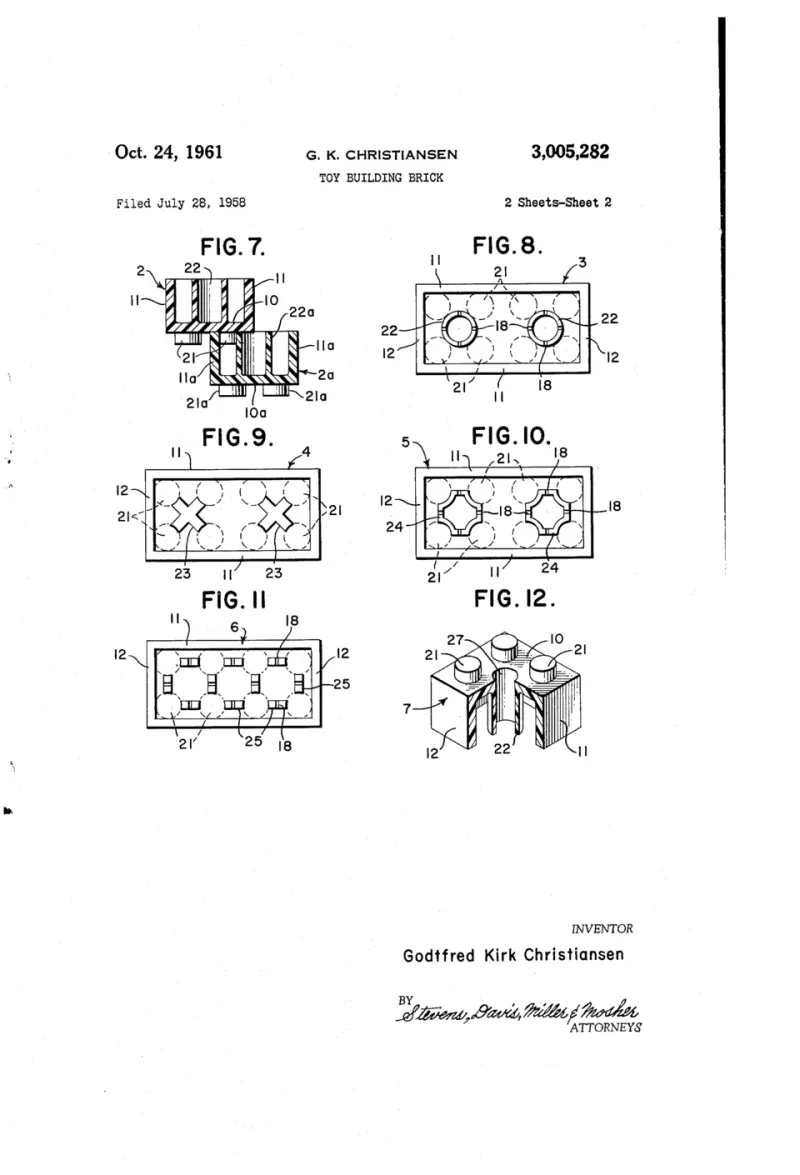
Photo: Photograph by Clem Rutter, Rochester, Kent. (www.clemrutter.net)., CC BY-SA 3.0, via Wikimedia Commons
Somewhere in suburban Ohio, behind a garage door that looks like every other garage door on the block, there's a museum. Soft LED strip lighting. Museum-grade acrylic cases. A hand-painted city skyline backdrop. And roughly 40,000 bricks arranged with the care of a Smithsonian curator.
It belongs to Dana Whitfield, a 44-year-old nurse who spent two years converting her two-car garage into what she calls "the Brick Annex." Her neighbors think she's selling the stuff online. She's not. She just wanted a place where her collection could actually breathe.
"For years everything was in bins," she told us. "You'd dig through a tote to find one set, knock three others over, and feel guilty about it. Now it's a room I genuinely want to hang out in."
Dana's not alone. Scroll any fan forum or Facebook group long enough and you'll spot the pattern: Americans are quietly turning basements, attics, and spare bedrooms into dedicated display spaces that rival small storefronts. Call it the DIY brick museum movement — and it's booming.
Why the Display Revolution Happened Now
A few forces converged. Adult collectors (AFOLs, if you're new here) have more disposable income than ever and sets to match — big-ticket items like the Rivendell set or the Titanic practically demand a stage. Meanwhile, LED lighting went from hobbyist soldering project to peel-and-stick simplicity, and IKEA's DETOLF and BILLY cabinets became the unofficial official furniture of the community.
There's also a cultural shift. Displaying toys used to read as eccentric. Now it reads as intentional — the same way people showcase vinyl records or sneaker collections.
The IKEA-Hack Playbook
Ask ten collectors about shelving and you'll get ten variations on the same theme. The community favorites:
- DETOLF glass cabinets — cheap, narrow, and perfect for单个 hero sets with a light kit on top
- BILLY bookcases — the workhorse; add glass doors and LED puck lights for a custom look
- KALLAX cubes — ideal for boxed display or modular dioramas
Marcus Lee, a collector in Austin, built his entire attic display for under $900 using BILLY units, adhesive LED strips, and a $30 motion sensor so the lights greet him at the door. "Best money I've spent on the hobby," he says. "And I've spent a lot."
Climate Matters More Than You Think
Here's where casual collectors and serious ones split. Sunlight is enemy number one — UV fades bricks and yellows older ABS plastic faster than most people expect. The pros keep displays out of direct sun or install UV-filtering window film.
Temperature and humidity matter too, especially for rare or vintage sets. Collectors in humid Southern states often run a dedicated dehumidifier; those with truly valuable collections invest in sealed cases with silica gel packs. One collector we spoke with in Georgia keeps his vintage Town sets in a climate-controlled spare bedroom set to a steady 70 degrees.
Is that overkill? For a $60 set, absolutely. For a sealed first-run Star Wars collection worth five figures, it's just smart insurance.
The Budget-to-Luxury Ladder
Wondering where you'd land? Here's a rough guide:
Under $250 — The Starter Shelf One or two BILLY bookcases, basic LED strip lighting, and a decluttered corner. Enough to display 15–20 sets with dignity.
$250–$1,000 — The Dedicated Room Multiple cabinets, proper lighting (warm white, 2700K–3000K is the community sweet spot), a dust management routine, and maybe a small workbench for builds in progress.
$1,000–$5,000 — The Showpiece Space Custom shelving, museum cases with locking doors, layered lighting (overhead, shelf, and in-set), backdrops, and a themed layout. This is Dana territory.
$5,000+ — The Private Museum Climate control, custom cabinetry, rotating exhibits, and enough square footage that guests ask if you're open to the public.
Start With the Lights
If you take one tip from this article: lighting changes everything, and it's the cheapest upgrade available. A $25 LED kit transforms a dusty shelf into a display case. Warm light flatters bricks; cool light makes them look clinical. And for the love of all things studded, keep them out of the window sun.
Your basement doesn't have to stay a basement. Ask Dana — hers is a museum now.