Studs and Solidarity: The Fan Clubs Turning Bricks Into Lifelines
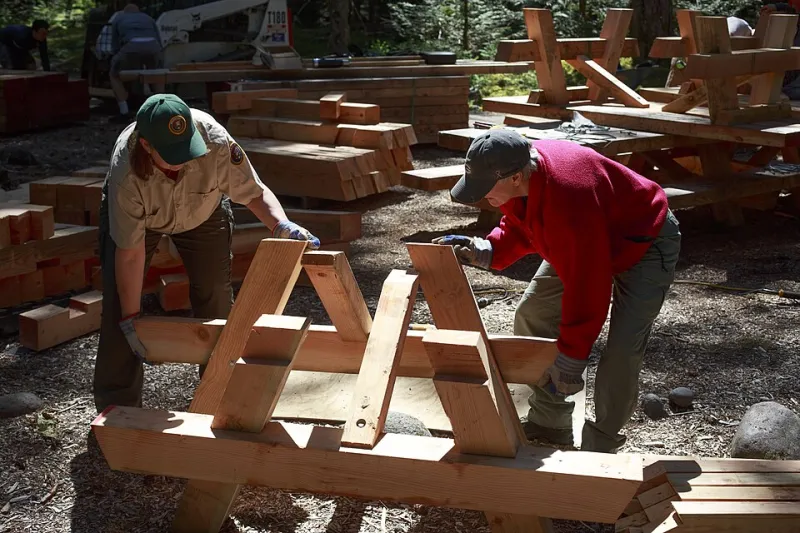
Photo: Mount Rainier National Park from Ashford, WA, United States, CC BY 2.0, via Wikimedia Commons
Ask any adult fan of LEGO why they never stopped building, and you'll get a version of the same answer: it's calming, it's creative, it's theirs. But in fan clubs across America, that answer has grown into something bigger. The bricks are still calming. The builds are still creative. But increasingly, they're doing real work in the real world.
When the Hobby Meets the Hurricane
When natural disasters hit American towns, the recovery is measured in years, not news cycles. And in those long middle years — after the cameras leave but before things feel normal again — community builders have found an unexpected role.
Fan groups in hurricane-prone Gulf Coast towns have organized brick-building events in community centers and shelters, giving displaced families something to do with their hands and their kids. It sounds small. Ask anyone who's sat through months of insurance paperwork and hotel rooms: an afternoon where your child builds a castle and forgets the flood is not small.
Other clubs go further, assembling and donating large commemorative builds — town skylines, school mascots, rebuilt landmarks — to communities that lost their own. A brick version of a church steeple can't replace the original. But it can hang in the temporary location and remind people what they're rebuilding toward.
The Auction Circuit
Charity auctions are where the AFOL community's talents get truly weaponized for good. Clubs across the Midwest and Northeast run build-a-thons where members construct custom display pieces — detailed city dioramas, pop-culture mosaics, commissioned replicas of local landmarks — then auction them off with proceeds going to children's hospitals, food banks, and disaster relief funds.
The economics are surprisingly good. A custom build that took a club member forty hours might fetch hundreds of dollars at auction, because buyers know the craftsmanship is real. Multiply that across a club of fifty builders and an annual event, and you're looking at serious money raised one stud at a time.
Bricks as Therapy
Perhaps the most quietly powerful work happens in clinical and community settings. Hospitals and therapy programs have embraced guided brick building as a tool for pediatric patients, veterans working through PTSD, and kids processing grief. The appeal is practical: building is structured but open-ended, social but low-pressure, and it occupies anxious hands and minds simultaneously.
Volunteer builders — many of them retired teachers, engineers, and tradespeople — run these sessions, often buying bricks out of pocket or organizing donation drives. One club in the Pacific Northwest collects loose bricks at garage sales year-round, washes them, sorts them, and ships them to school and therapy programs. Their warehouse space looks like chaos. Their donation receipts say otherwise.
Why It Works
There's a reason bricks translate so well into community service. The hobby attracts problem-solvers — people who like taking a pile of pieces and figuring out what it can become. Hand them a town recovering from a tornado, and they approach it the same way: one piece, then the next one, then the next.
It also helps that the community is intergenerational by default. A charity build day might have a nine-year-old sorting bricks next to a seventy-year-old master builder, and both are equally essential to getting the job done.
Brick It Forward
If this is your hobby and you've been looking for a way to make it matter, the path is short. Find your local LEGO users group — nearly every major US metro has one. Ask what they're building for. If the answer is nothing yet, you might be the person who starts it.
The bricks were always going to snap together. Turns out the people do, too.