Check-In, Build On: The Inns Betting Guests Want Bricks With Their Breakfast
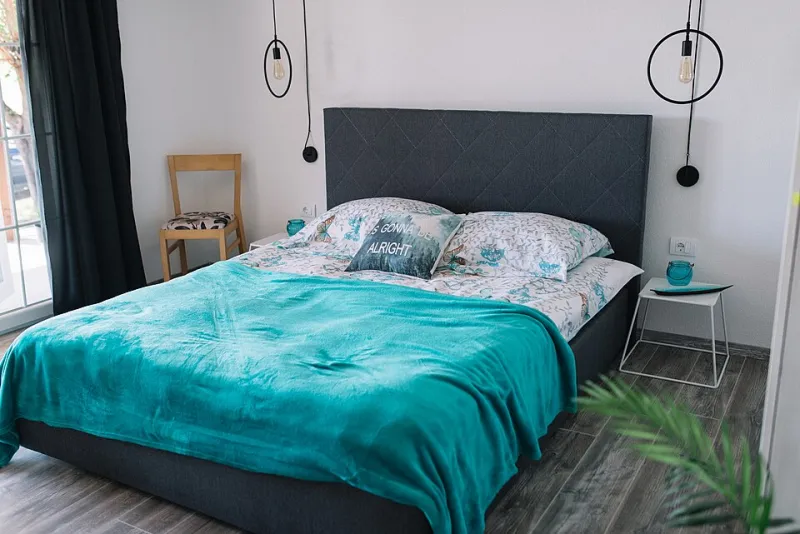
Photo: Shixart1985, CC BY 2.0, via Wikimedia Commons
The build table is by the window in Room 4, which is the room with the good light. There's a shallow wooden tray with a rim, a sorted parts bin labeled by color in handwriting that belongs to the owner's daughter, and a half-built lighthouse left mid-construction by the previous guest.
A note on the tray reads: Feel free to finish it, but write down what you changed.
This is a five-room inn in southern Vermont, and the lighthouse is the reason we drove six hours.
The Pitch: Bricks as an Amenity
Brick-friendly lodging isn't a national chain strategy yet — nobody is franchising this — but it's showing up in pockets. A boutique hotel in the Catskills with a lobby build wall. A cluster of rented cabins on the Oregon coast where every unit has a bin and a shelf. A bed-and-breakfast outside Asheville that keeps a cabinet of small sets guests can borrow for the evening. A lakeside property in Wisconsin that added a covered porch table specifically so families could build outside without losing pieces to the grass.
"We had a bin of bricks in the common room for kids, and then we noticed the parents were in there at ten at night," said the Vermont innkeeper, who has run the property with her husband since 2014. "That's when we stopped calling it a kid amenity."
What Hosts Actually Stock
The good properties have figured out three things, and the great ones have figured out a fourth.
1. The table matters more than the bricks. A dining table is too high. A coffee table is too low. What works is a waist-height surface with a lip or a shallow tray, because the single most common guest complaint in this niche is not "we needed more pieces" — it's the sound of a brick dropping onto a hardwood floor at 11 p.m.
2. Small sets beat bulk. A handful of mid-size boxed sets with printed instructions get used far more than a giant unsorted bin, which mostly gets dumped out and abandoned. Returning guests ask for the same set again, and hosts have learned to buy three copies of the popular ones.
3. Storage has to be charming. See-through bins on open shelving read as clutter. Wooden crates, labeled tins, and a cabinet with doors read as intentional. Several hosts said the display case was the amenity — guests photograph the shelf of finished models long before they open a bin.
4. The fourth thing is a rule for the shelf. Some version of built here, stays here — guests can add to a communal model but not dismantle it, and anything they build themselves gets photographed and then taken apart at checkout. It solves the awkward question of whose model it is.
The Cleaning Problem Nobody Mentions
Ask an innkeeper what surprised them and you get a very practical answer: the hour of labor.
Loose bricks hide under beds, in vacuum filters, inside the folds of a duvet. One Michigan host described finding a single 1x2 tile in a slipper. The properties that make it work either limit guests to a contained table area, run a quick sweep between stays, or hire their teenage kids to do a piece count as a weekend job.
Lighting is the second quiet cost. If you build a display shelf and light it badly, it looks like a lost-and-found. The properties that got this right used warm LED strips on a dimmer, and all of them said some version of the same thing: the shelf is the marketing.
What Guests Actually Build on Vacation
Not what you'd expect. Short stays produce short builds. The winning formats host after host mentioned:
- The communal model. A big set on a common-room table that nobody owns and everyone adds to. It becomes a conversation starter between strangers at breakfast.
- The one-evening build. A mid-size set finished after dinner and left on the shelf with a guest's initials and a date on a card.
- The rainy-day save. A property in the Pacific Northwest keeps four unopened sets behind the front desk for exactly this. Guests return from a washed-out hike, and the day is rescued.
Overnight guests rarely start anything ambitious. That's fine. The point isn't a weekend masterpiece. It's two hours when nobody's phone is the center of attention.
Gimmick or Genuine?
Honestly: both, depending on execution.
The gimmick version is a plastic tub in a corner and a laminated sign. Guests notice immediately that nobody at the property cares, and the bricks become set dressing that never gets opened.
The genuine version shares a trait with the best brick-friendly libraries and clubs: a host who actually builds. The Vermont innkeeper's shelf includes a model she made herself, and it has a hand-written card with her name and how long it took. Guests ask about it. Then they ask what's in the bins. Then they sit down.
"We get people who book specifically because of it," she said. "Not a lot. Maybe one in ten. But those guests stay two nights instead of one and they come back in the fall."
If You're Booking One
Ask before you book: Is there a build surface in the room, or just a bin? Is there lighting on the display shelf? Are there sets with instructions, or only loose parts? Is there a rule about what happens to finished models? A property that can answer all four has thought about it.
And if you're a host thinking about adding this — start with one table, one cabinet, and three mid-size sets. Then build something yourself and put it on the shelf with a card. That's the whole strategy. The bricks do the rest.